
Blog
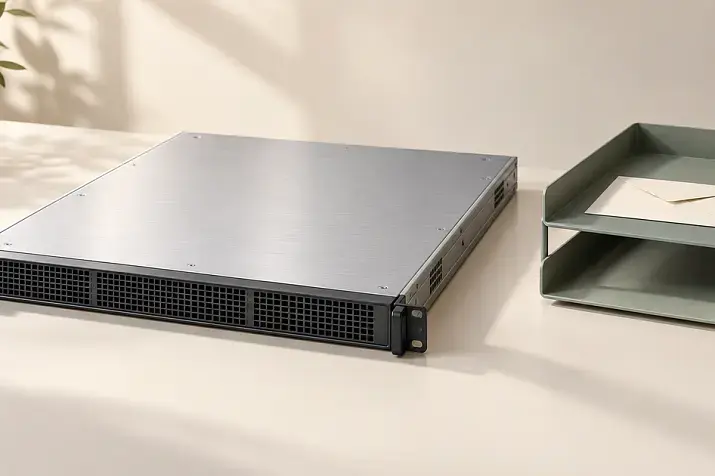
Corporate mail server
Hosting your own email gives you control over company correspondence, but requires careful infrastructure planning and maintenance. Explore mail delivery, software and hardware choices, DNS, security and recovery in this 2026 guide. ✉️
October 26, 2026
24 min to read
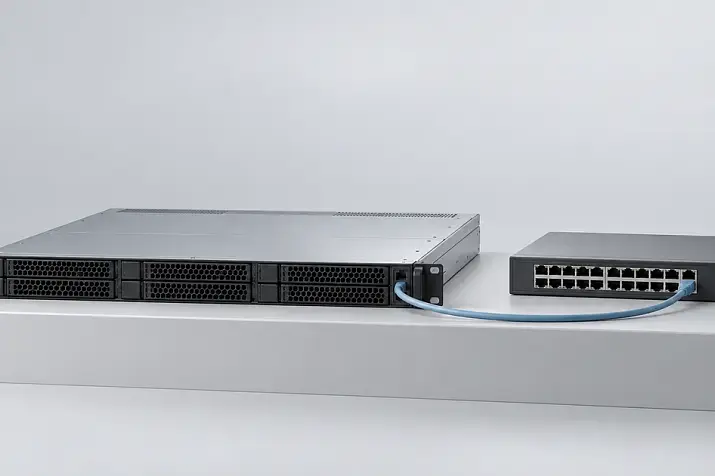
How to set up a DHCP server and what to do if it cannot be found
How do devices obtain IP addresses, and why does a DHCP server sometimes stop responding? Explore leases and reservations, MikroTik, Linux and Windows Server configuration, packet tracing and protection against unauthorised DHCP servers. 🔧
October 23, 2026
27 min to read
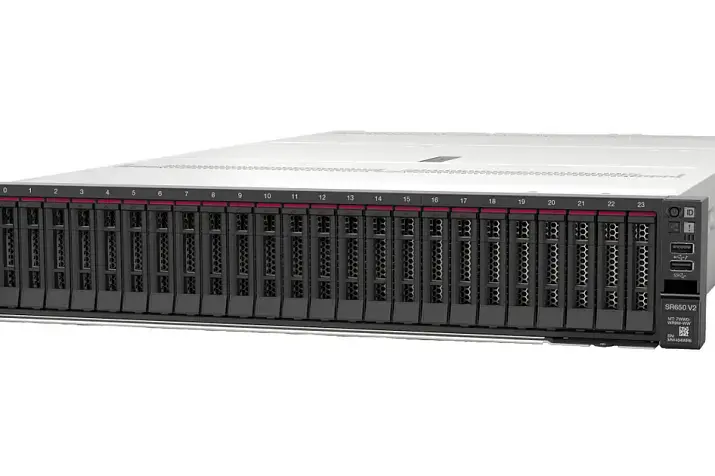
Lenovo SR650: overview, specifications, and comparison of V2, V3, and V4
Which Lenovo ThinkSystem SR650 generation suits virtualisation, databases and VDI? Explore DDR4 and DDR5, drive layouts, GPUs, management and cooling, along with the configuration limits to consider when ordering a server.
October 22, 2026
16 min to read
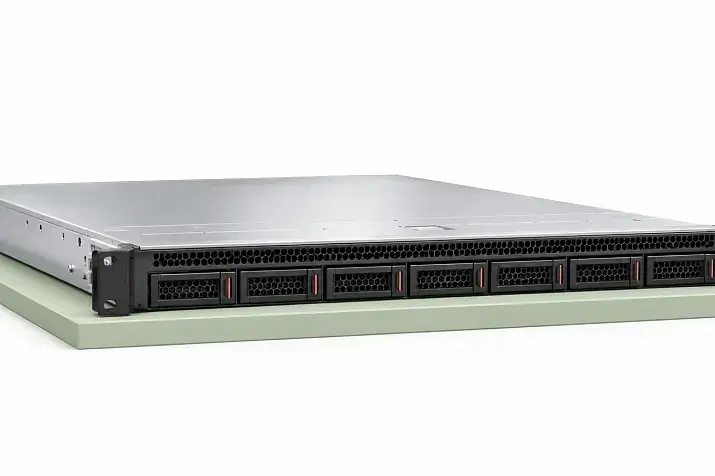
Lenovo ThinkSystem SR630: overview, specifications, and differences between V2, V3, and V4
How do Lenovo ThinkSystem SR630 generations differ, and when is an upgrade worthwhile? Explore processors, memory, storage, XClarity and the limits of a 1U chassis to choose a server for virtualisation, databases and enterprise applications.
October 21, 2026
16 min to read
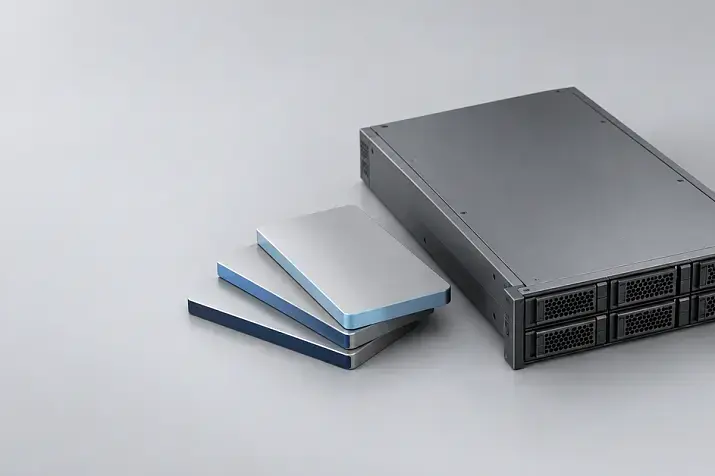
What is a LUN in storage systems and how to connect it to a server
How does a server access a disk on a storage array, and why is mapping alone insufficient? Explore LUNs, thin provisioning, redundant paths and connections to popular server platforms while keeping existing data safe 🔧
October 20, 2026
22 min to read
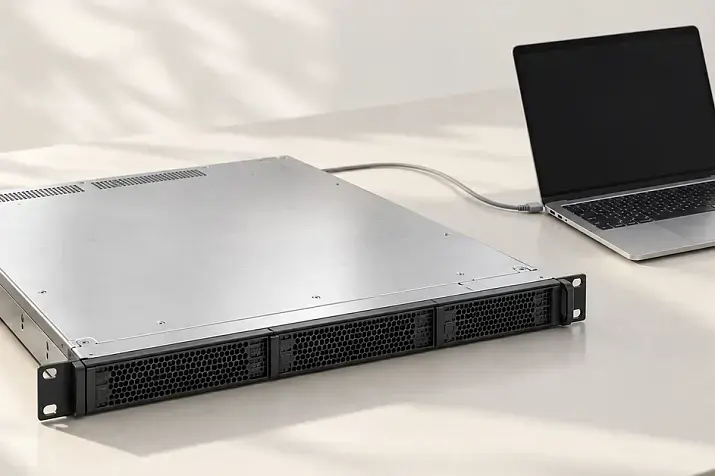
Lenovo XClarity: remote management of ThinkSystem servers
How does XClarity Controller differ from Administrator and One, and which licence unlocks the remote console? Explore XCC generations, initial connections and management settings for ThinkSystem servers.
October 19, 2026
14 min to read
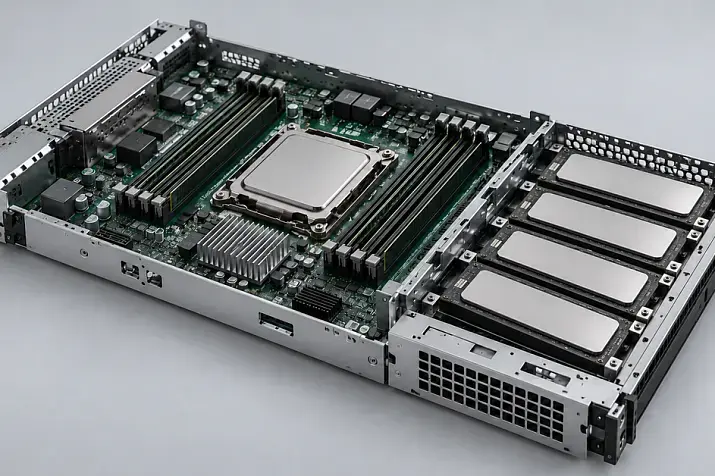
Intel VROC: what it is, how it works, and which key to choose
An NVMe array built with Intel VROC depends on VMD support, licensing and the operating system as well as the drives. Explore Standard and Premium keys, SSD compatibility, driver installation and the choice between VROC and hardware RAID.
October 16, 2026
14 min to read
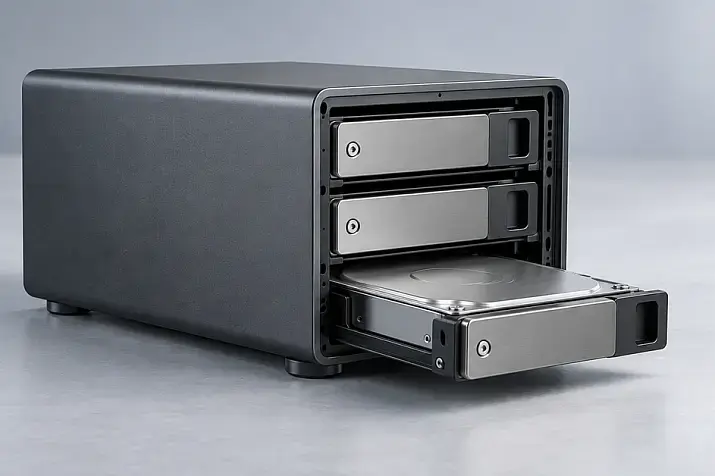
ZFS: what this file system is, RAID-Z, pools, and configuration
How does ZFS combine drives, detect corruption and help recover data? We explain pools, the differences between mirrors and RAID-Z, caching and snapshots, along with the key setup and recovery commands.
October 15, 2026
16 min to read
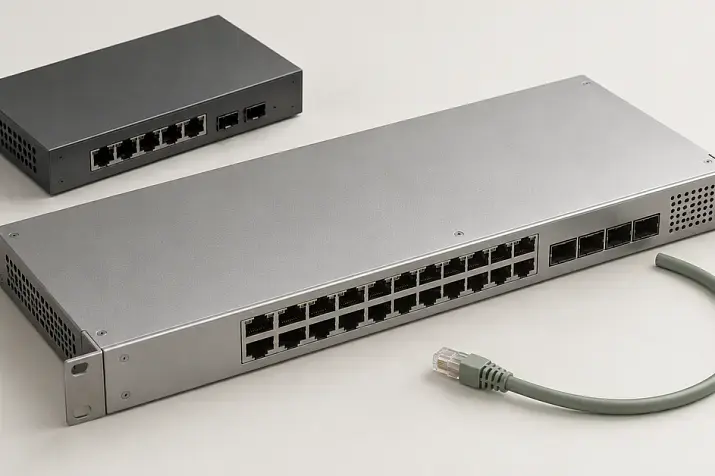
Layer 1, 2, and 3 Switches: What They Are and How They Differ
L2 connects devices within a local network, L3 routes traffic between subnets, and L1 switches physical signals. Explore the differences, VLANs, L2+ and the key specifications that affect your choice of switch.
October 14, 2026
16 min to read