
Blog
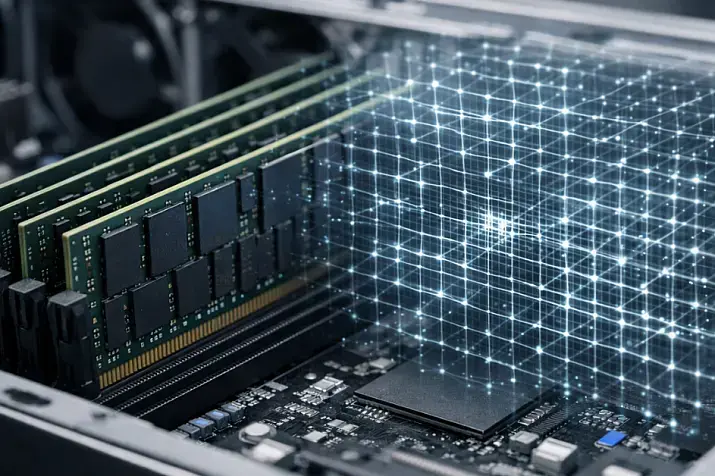
ECC Memory: Why is it Needed in Servers?
A practical guide to ECC memory: real failure modes, monitoring corrected/uncorrected errors, and how to choose the right DIMMs so ECC works as intended.
February 18, 2026
20 min to read
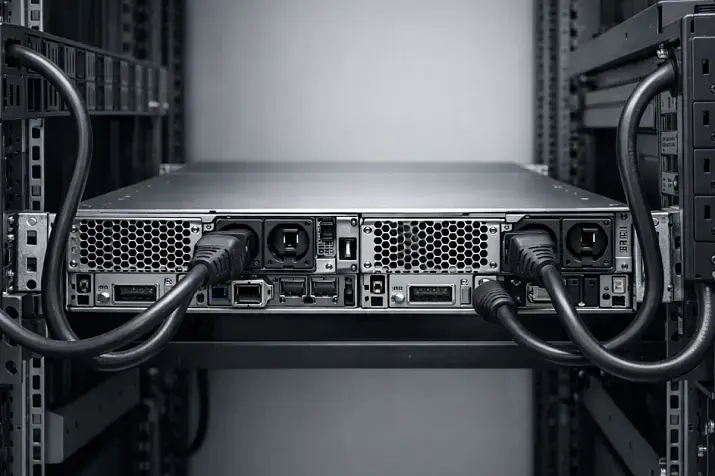
Server Fault Tolerance: Power, Cooling, Redundancy
⚙️ Build infrastructure that survives failures and maintenance: A/B power, clean airflow, and drill-based verification.
February 17, 2026
19 min to read
All-Flash vs Hybrid: the real difference in practice
🚀 Average numbers lie—tail latency doesn’t. See where hybrid shines (capacity/throughput) and where it hurts (mixed I/O, random writes), plus a clear decision flow for virtualization, OLTP databases, VDI, and backups in 2026.
February 13, 2026
19 min to read
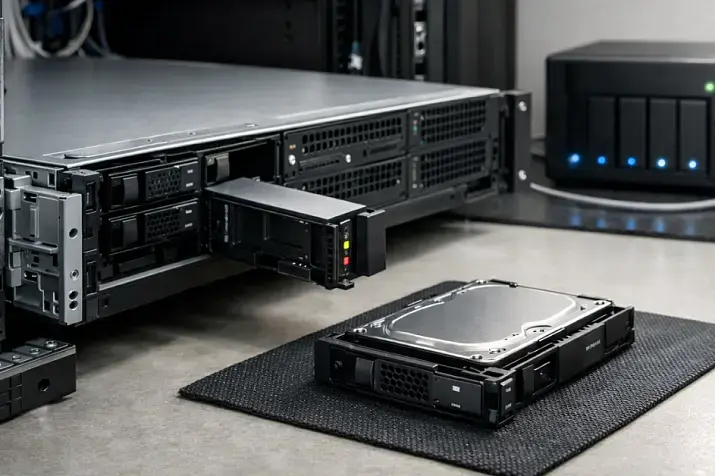
RAID in servers: what types are there and which one to choose
RAID is about uptime, not backups. This guide breaks down RAID levels, compares hardware RAID, software RAID, and ZFS, highlights hidden risks (cache, write hole, rebuild, SMR), and provides checklists to keep storage predictable in production.
February 13, 2026
23 min to read
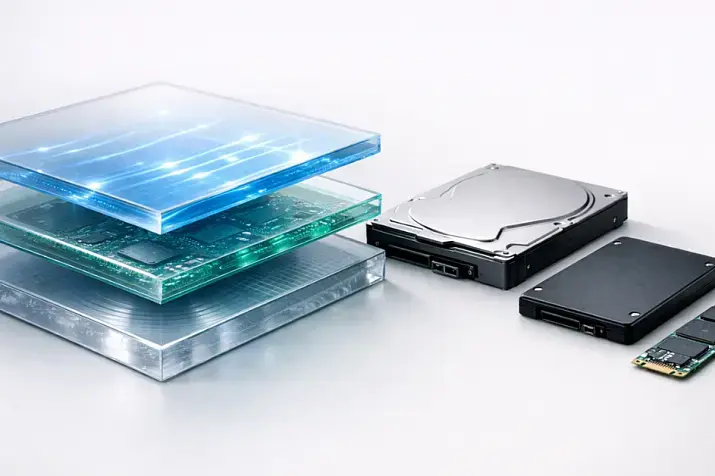
Server Drive Types: HDD, SSD, NVMe – Which One to Choose for Your Needs?
⚙️ Confused by NVMe vs “M.2”, SATA vs SAS, U.2/U.3 and compatibility traps? This guide breaks it down so you can buy the right drives for your workload—without surprises.
February 12, 2026
17 min to read
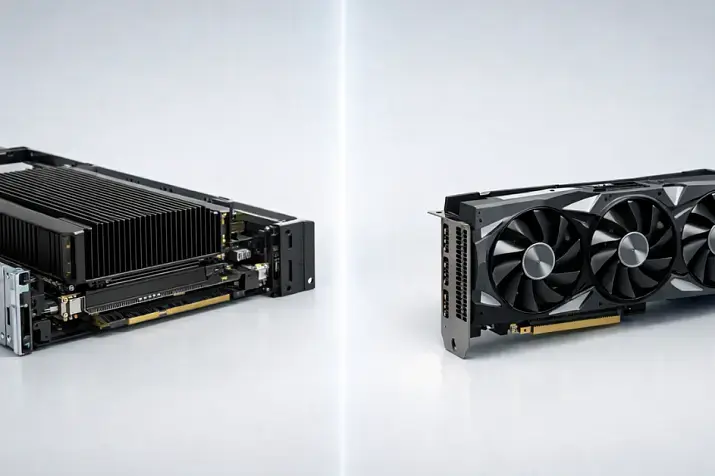
Server GPU vs Consumer GPU (Overview)
⚙️ Why a “powerful gaming GPU” can fail in 2U production. Learn ECC/VRAM, NVLink, MIG/vGPU, throttling risks, and a 2026 decision matrix for AI & VDI.
February 10, 2026
19 min to read
Why a server needs a graphics card (GPU): use cases and selection criteria
⚙️ A GPU is an accelerator, not “for graphics.” Learn where it improves throughput and p95/p99 latency, what bottlenecks break performance (PCIe, VRAM, PSU, airflow), and how to pick bare metal vs VMs vs Kubernetes.
February 9, 2026
20 min to read
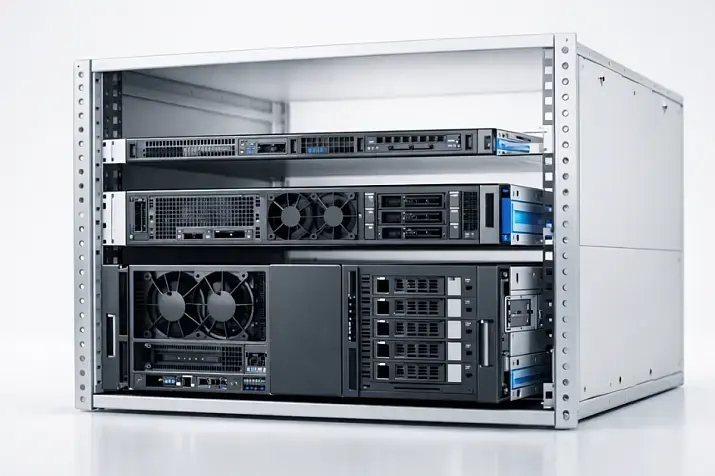
What is U (rack unit) in a server rack
Not sure whether you need 1U, 2U, or 4U? This 2026 guide explains U sizing in plain terms and helps you choose based on real constraints—expansion, cooling, and serviceability. 🔧
February 6, 2026
25 min to read
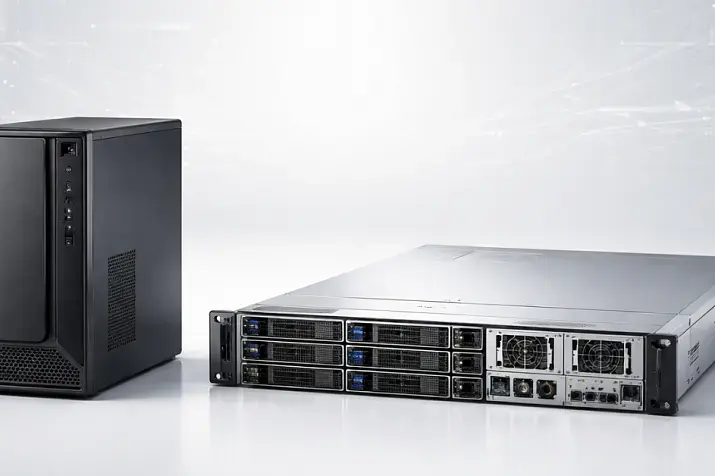
Server vs PC: practical differences in real life
Server or PC — which one should you buy in 2026? ✅ We break down the real differences (ECC, RAID, iDRAC/iLO, 24/7 uptime, and TCO) and show which platform fits your workload—business services, virtualization, storage, dev/test, or AI.
February 5, 2026
16 min to read