
Blog

GPU Server for Rendering, 3D, and Video: How It Differs from an AI Server
🎬 A rendering and video GPU server is not just a cheaper AI server. This article explains which GPUs, storage, RAM, networking and codecs matter most for 3D studios and video production in 2026.
June 24, 2026
32 min to read
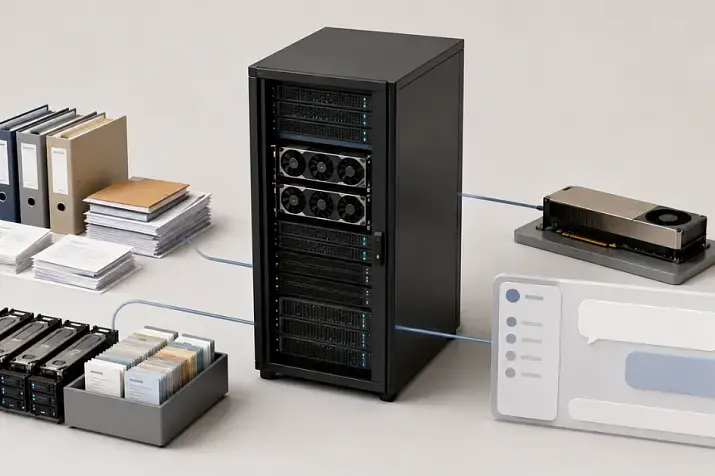
GPU Server for RAG and Corporate Chatbot: What's Important Besides the Video Card?
🤖 Choosing a GPU server for RAG? This article explains the hidden bottlenecks beyond the graphics card: document processing, vector search, memory, storage, access control, and scaling.
June 23, 2026
29 min to read
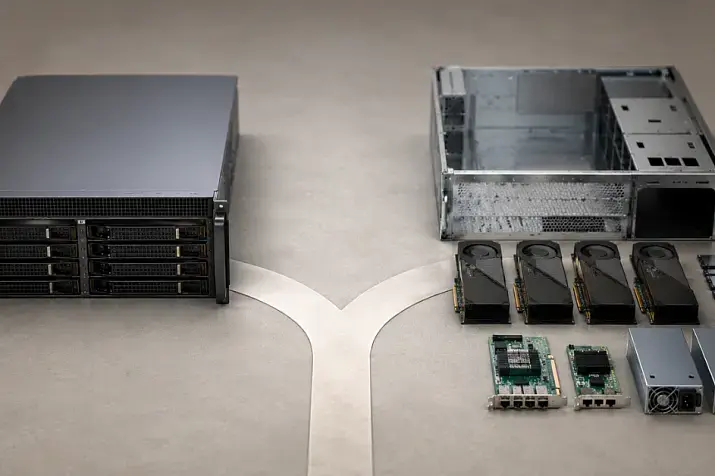
A ready-made GPU server or a custom configuration: when to buy a standard model and when to build one for the task
⚙️ A standard GPU server can speed up deployment and reduce compatibility risks, while a custom build is better for 4–8 GPUs, large VRAM, fast storage, and cluster growth. This guide explains how to choose without overpaying.
June 22, 2026
30 min to read
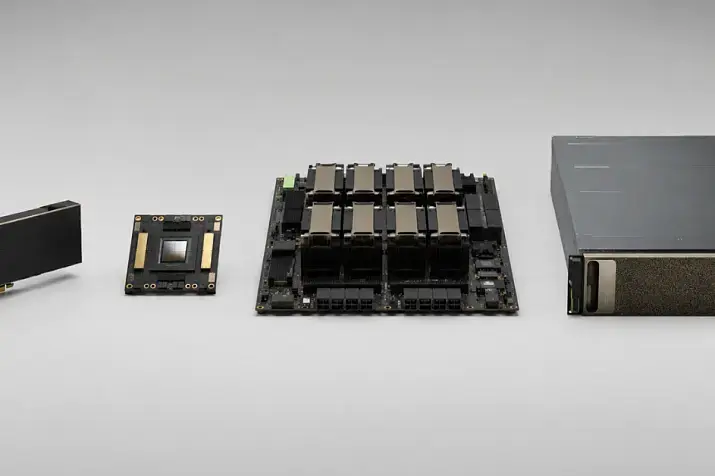
PCIe, SXM, HGX, and DGX: What's the Difference Between GPU Server Platforms and When You Need Each
PCIe, SXM, HGX or DGX — which GPU server platform fits your AI workload in 2026? We explain the difference between GPU form factor, OEM platform and turnkey NVIDIA system.
June 18, 2026
31 min to read
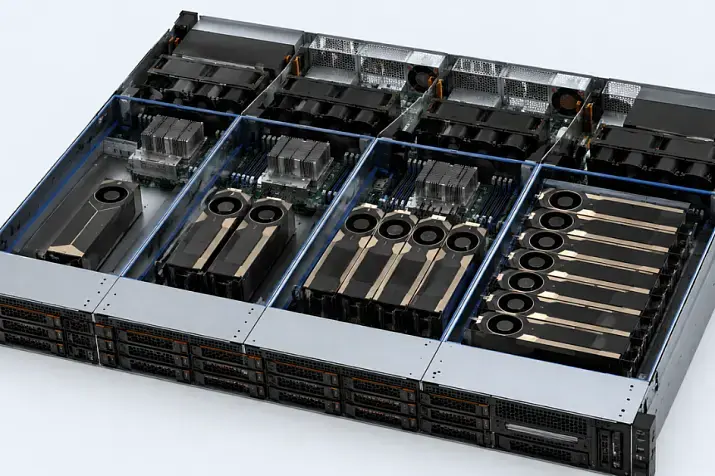
1, 2, 4, or 8 GPUs in a Server: How to Choose a Configuration for LLM, Inference, Training, and Rendering
We compare GPU server configurations for real workloads: internal LLM assistants, multi-model inference, fine-tuning, rendering farms and VDI. See when 8 GPUs make sense and when 1–4 GPUs or several smaller servers are the better choice.
June 16, 2026
32 min to read
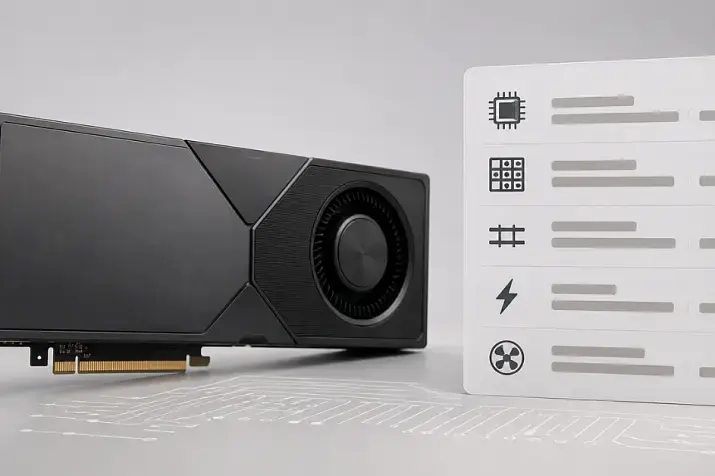
How to read NVIDIA server graphics card specs: CUDA, Tensor Cores, TFLOPS, bus, bandwidth, and TDP
💡 Don’t choose an NVIDIA server GPU by TFLOPS or memory size alone. This guide explains which specs really matter for AI, training, VDI, rendering and scientific workloads in 2026.
June 15, 2026
25 min to read
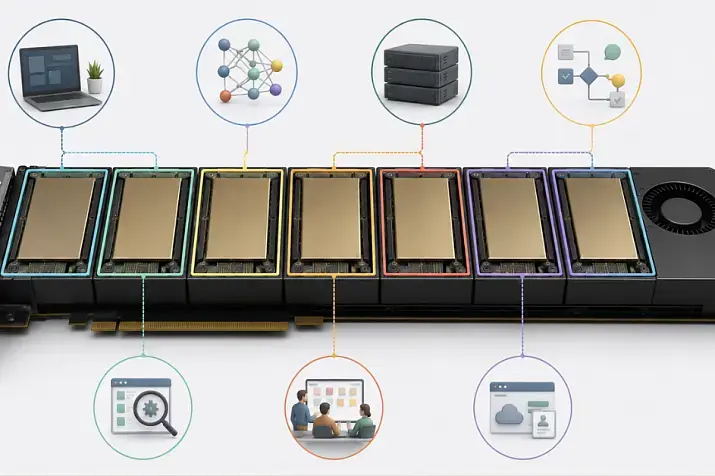
MIG on NVIDIA A100/H100/H200: How to Share a Single Graphics Card Between Multiple Tasks
⚙️ Need to share one powerful GPU between teams, services and models? This guide explains MIG in plain language, with profiles, limits and real deployment examples for A100, H100 and H200.
June 11, 2026
27 min to read
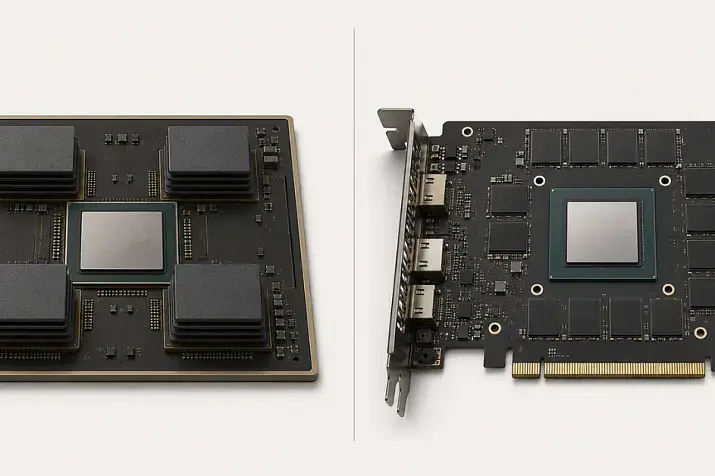
HBM vs. GDDR in Server Graphics Cards: Why the A100/H100 Use One Memory, and the L40S/RTX PRO Uses Another
🧠 HBM or GDDR — what matters most in a server GPU? Using NVIDIA A100, H100, L40S and RTX PRO as examples, we explain when memory bandwidth is critical and when a more versatile GPU makes better business sense.
June 9, 2026
27 min to read
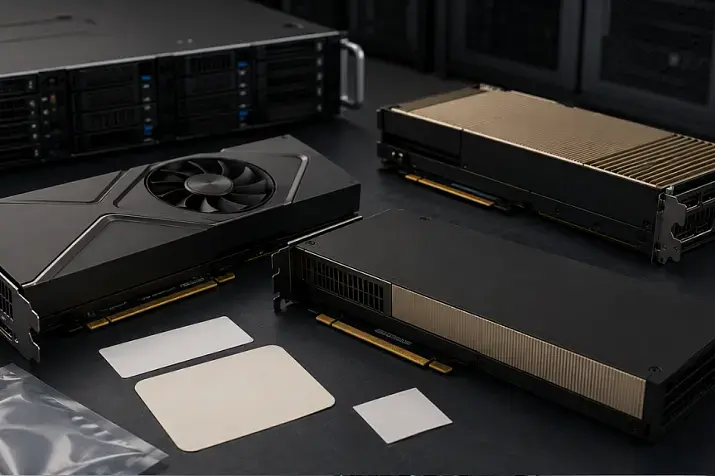
OEM, Original, NVL, Max-Q, and Workstation Edition: What do the NVIDIA GPU designations mean?
⚡ OEM, Original, NVL, Max-Q and Workstation Edition may look like small additions to an NVIDIA GPU name, but they affect power, cooling, compatibility and warranty. This article explains how to read these labels before buying.
June 8, 2026
23 min to read