
Blog
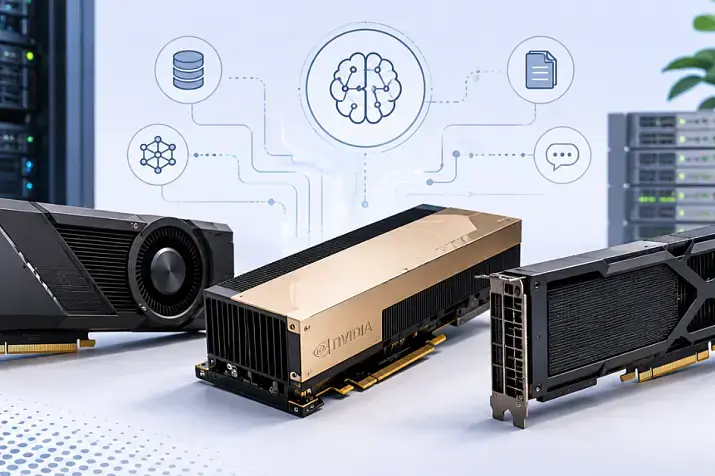
NVIDIA H100, H200, and A100 for LLM: Memory, Bandwidth, and Usage Scenario Comparison
A practical guide to choosing the right NVIDIA GPU for LLMs: A100 for budget pilots, H100 for performance, H200 for memory-heavy inference.
June 4, 2026
26 min to read
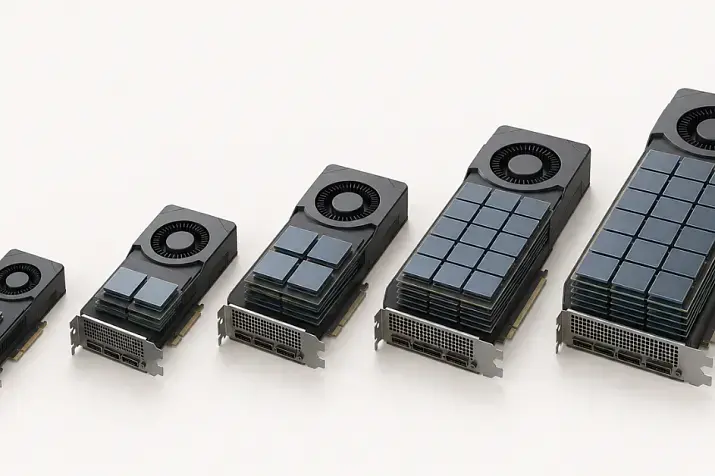
How much video memory is needed for neural networks: 16, 24, 48, 80, or 96 GB
🧠 Choosing VRAM for an AI project? See when 16 GB is enough for tests, why 48 GB is often a working minimum, and when 80–96 GB or multiple GPUs make sense.
June 2, 2026
28 min to read
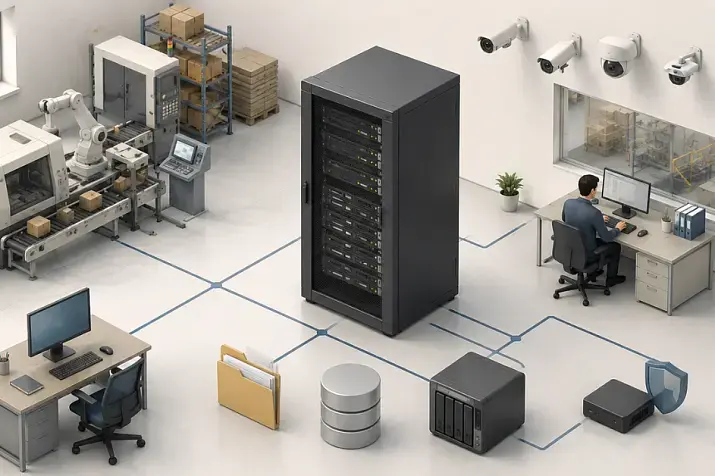
Server infrastructure for small businesses: ERP, files, backups, video surveillance, and edge
A practical guide for small manufacturers on building a balanced server setup without overspending or creating a single point of failure.
June 1, 2026
34 min to read
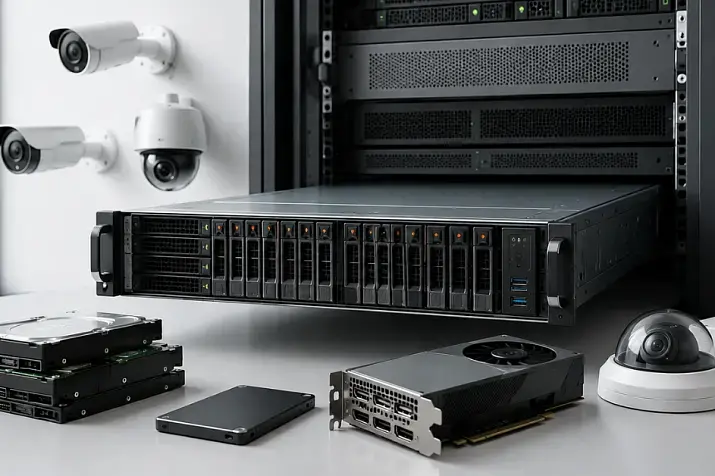
How to Choose a Video Surveillance Server with AI Analytics: Cameras, FPS, Storage, GPU
🎥 This article explains why camera count alone is not enough and how bitrate, retention period, decoding, GPU load and AI scenarios shape the final server configuration.
May 29, 2026
32 min to read
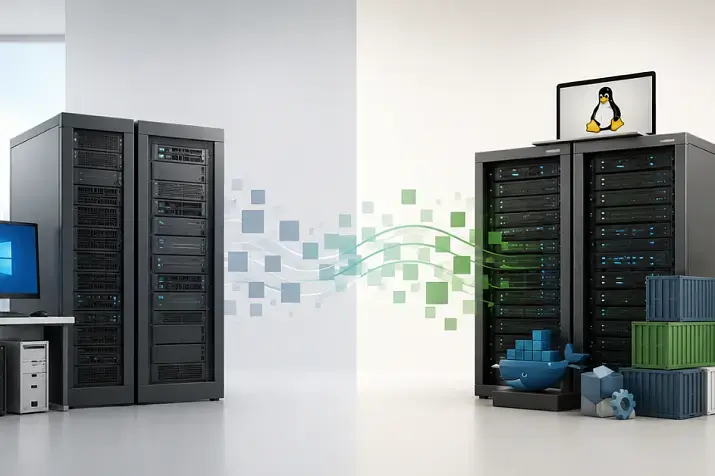
Moving from Windows Server: When Linux is more profitable, and when migration won't pay off
🧭 Linux is not automatically cheaper than Windows Server. This article explains which server roles are good candidates, where hidden costs appear, and why a hybrid model is often the safest path.
May 28, 2026
33 min to read
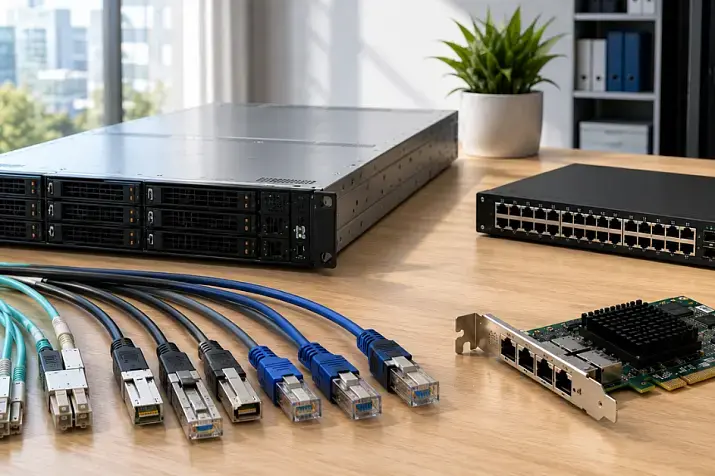
How to size a server network: when 10GbE is enough, and when 25/40/100GbE is needed
🔌 10GbE is not always too slow, and 100GbE is not always justified. This guide shows how to calculate server network capacity for real infrastructure scenarios in 2026.
May 27, 2026
39 min to read
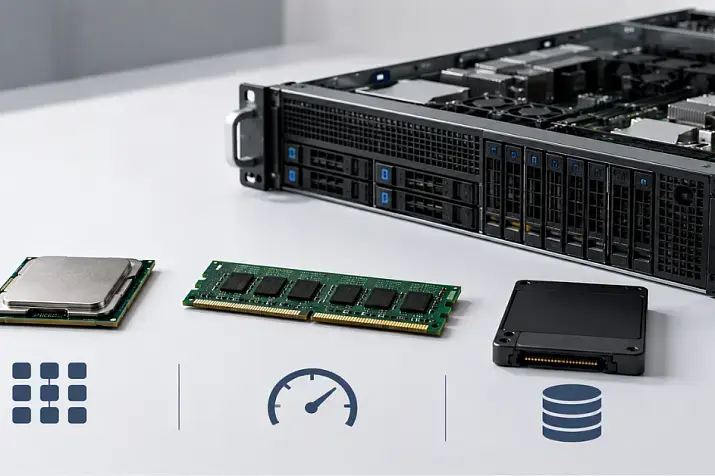
What's more important for a server: more cores, higher clock speeds, or more RAM? A breakdown by workload type.
🔍 More cores, higher clock speed or more memory? This article explains how to size a server for different workloads and avoid paying for specs that will not improve performance.
May 26, 2026
38 min to read
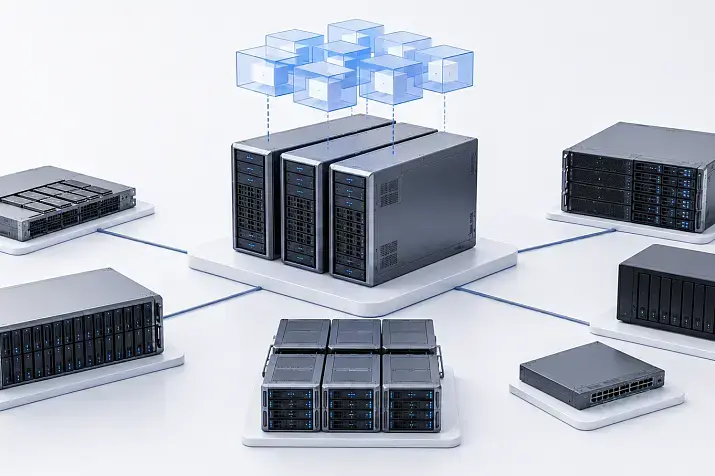
How to Choose Storage for Virtualization: Local NVMe, SAN, Ceph, vSAN, NFS, or iSCSI
A practical comparison of virtualization storage options and why IOPS alone is not enough for a reliable choice.
May 25, 2026
29 min to read
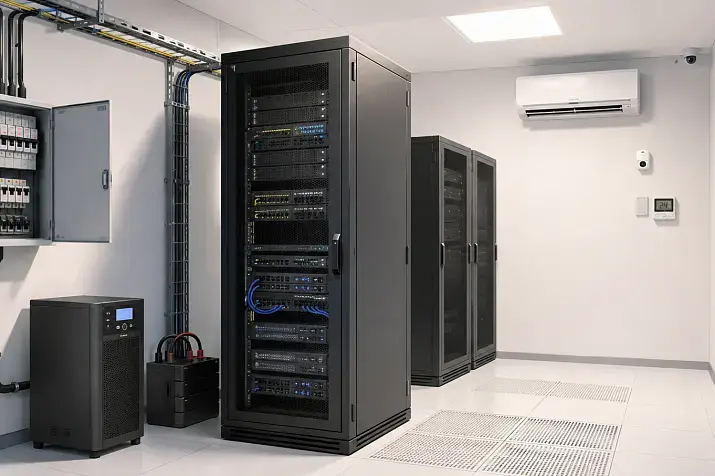
How to Design a Small 1-3 Rack Server Room: Power, Cooling, Noise, and Security
🛠 A practical guide to building a small server room, from rack placement to cooling, safety and monitoring.
May 15, 2026
33 min to read