Table of Contents
When Risk Hides in the Supply Chain
The company is planning a major server infrastructure upgrade with a budget of €180,000. Specifications have been carefully defined, delivery schedules fixed in contracts, and the procurement team has verified the manufacturer’s reputation — the brand is well-known and certified. At first glance, all risks appear to be managed.
A month later, industry reports reveal that a key component supplier is under regulatory investigation due to pre-installed software with undocumented features in a batch of network controllers. The equipment has already been distributed to dozens of clients across Europe. The incident gains public attention, triggering audits. For the company, this means a full review of purchased equipment, potential replacement of compromised components, direct losses of €100,000–€150,000, and opportunity costs from a 45–90 day delay in deploying the new infrastructure.
This raises a critical question for management: can the company be confident in the security of its infrastructure when the equipment supply chain involves dozens of independent parties, from microchip manufacturers to logistics operators? Certification of the final product does not guarantee control over each link. Risks may arise not at the factory of a well-known brand but at a subcontractor facility thousands of kilometres away.
This is not a hypothetical concern — it is a widespread challenge affecting organisations globally. Supply Chain Security is becoming a critical element of IT risk management. According to a 2021 BlueVoyant study, 97% of companies experienced negative consequences from digital supply chain incidents. The IBM Cost of a Data Breach Report 2025 indicates that the average global cost of a data breach is $4.91 million. Incidents involving compromised components, confidential data leaks, or counterfeit parts can halt business processes, cause financial losses, and damage reputations. Even new equipment with up-to-date certifications may carry vulnerabilities introduced during manufacturing, logistics, or integration.
Supply Chain Risks: A Managerial Reality
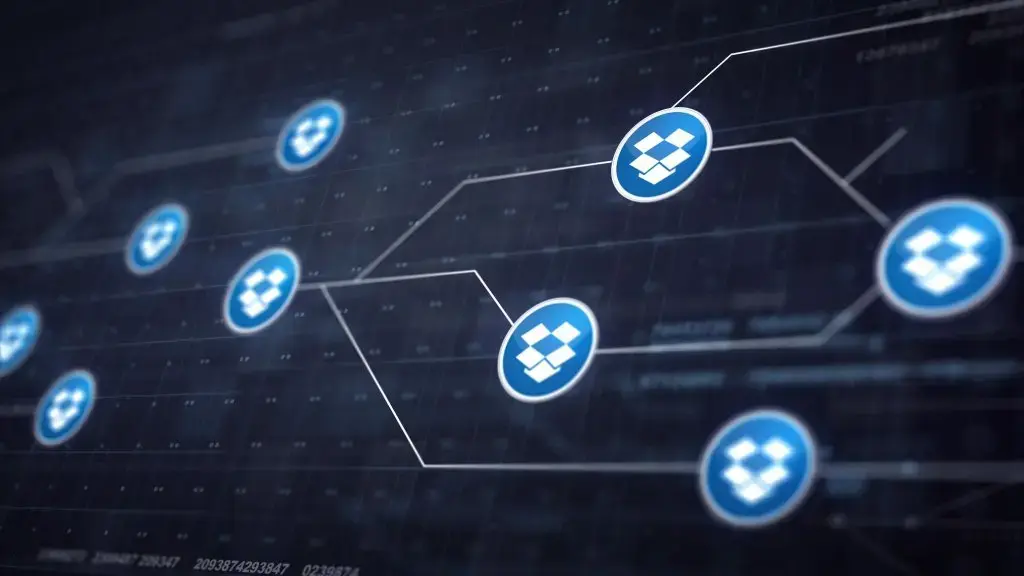
Modern servers are products of a globalised ecosystem. Even leading manufacturers rely on dozens of independent contractors, including microprocessor and chipset producers, motherboard manufacturers, memory and storage suppliers, power supply and cooling system providers, logistics operators, and assembly plants. Each stage of this multi-tiered supply chain introduces potential vulnerabilities.
Equipment can be compromised not only during manufacturing but also during transport or while stored in intermediate warehouses. Documented cases show servers intercepted in transit for the installation of modified firmware or hardware backdoors before reaching end customers. Such incidents are particularly difficult to detect without specialised controls, as the equipment often appears intact and packaging remains undamaged.
In addition to physical risks, information security threats arise when dealing with unverified suppliers or opaque contractual arrangements. Leaks of planned purchases, equipment configurations, or infrastructure architecture can be exploited for targeted attacks. This challenge is amplified for companies working with international suppliers, where differences in legal jurisdictions and corporate standards complicate oversight and control over information flows.
Real-world incidents illustrate the scale and consequences of these risks:
-
SuperMicro (2018): Bloomberg reported alleged spy chips embedded in server motherboards during production at Chinese factories. Although the claims were denied and never independently confirmed, SuperMicro’s stock fell 50% in two weeks, resulting in €3 billion in lost market capitalization. Clients were forced to conduct unplanned security audits across their infrastructure, demonstrating the business impact of even unverified supply chain compromise reports.
-
Counterfeit Cisco Network Components (2020): US Customs seized $1.5 million of counterfeit Cisco equipment destined for critical infrastructure. The devices contained vulnerabilities enabling remote unauthorized access. In 2023, a US federal court banned the sale of counterfeit Cisco equipment, documenting hundreds of such cases, including deliveries for military use.
-
SolarWinds Orion (2020–2021): A breach of the network management system affected 18,000 organizations, including US government agencies and Fortune 500 companies. Attackers inserted malicious code into a software update distributed via official channels. The investigation lasted over a year, with estimated total losses ranging from $90 million to $100 billion across affected organizations.
Choosing the Right Equipment
Our specialists will contact you and answer all your questions
Consequently, management must view a server not as an isolated piece of hardware but as the end product of a complex, multi-tiered system. Vulnerabilities at any stage — from manufacturing and logistics to integration — can halt critical business processes, necessitate emergency equipment replacement, or trigger comprehensive security investigations.
|
Risk Category |
Manifestation |
Business Impact |
Control Measures |
|
Third-Party Components |
Use of chips, network cards, controllers from subcontractors without quality/security oversight; pre-installed malicious microcode in BIOS, BMC, RAID controllers |
Unauthorized access to management systems; data leakage via hidden channels; replacement of entire equipment batch |
Require full Bill of Materials (BoM) documentation; audit manufacturer subcontractors; verify firmware digital signatures via independent labs |
|
Logistics Risks |
Interception of equipment during transit to install hardware backdoors; replacement of original components with counterfeit parts; compromise during storage in intermediate warehouses |
Undetectable modifications using standard methods; malware deployed before commissioning; reduced reliability due to poor-quality components |
Use secure logistics channels with packaging integrity control; certify facilities to TAPA FSR standards; inspect serial numbers and seals upon receipt |
|
Information Security |
Leakage of confidential technical specifications; use of unprotected communication channels for procurement data; uncontrolled access to infrastructure architecture |
Targeted attacks based on leaked information; compromised procurement processes; loss of competitive advantage; exposure of strategic infrastructure plans |
Non-disclosure agreements (NDAs) with clear responsibility; encrypt communications with suppliers at all stages; restrict technical data access on a need-to-know basis |
|
End-of-Life Management |
Untimely end of firmware support; data recovery from decommissioned equipment without secure data erasure |
Exploitation of known vulnerabilities; leakage of confidential data from disposed storage |
Plan replacement before end-of-support; implement secure disposal protocols with cryptographic data erasure; physically destroy media for critical systems |
Assessing Supplier Security
Supplier security is determined not by declarations, but by documented control procedures and the ability to provide evidence of their implementation. Management should apply clear criteria to assess a partner’s security process maturity, ensuring consistent and verifiable practices across the supply chain.
Certification and Component Traceability
Suppliers should hold certifications aligned with international supply chain security standards. ISO 28000 defines requirements for security management systems across all supply chain participants. TAPA (Transported Asset Protection Association) certification confirms compliance with cargo protection standards during transportation and storage. Adherence to NIST SP 800-161 (Supply Chain Risk Management Practices) demonstrates the implementation of recognised risk management practices.
A critical element is component traceability, enabling the origin of each part to be tracked to the manufacturer. Suppliers must provide a Bill of Materials (BOM) listing all critical components — processors, chipsets, controllers, memory modules — including batch serial numbers, production dates, and firmware versions. Lack of such documentation, or refusal to provide it, signals reduced transparency and higher supply chain risk.
Supplier and Subcontractor Audits
Certifications and traceability alone are not sufficient. Regular audits of suppliers and subcontractors are essential to verify adherence to security processes. Audits should evaluate production capacity, quality control, information security measures, labour law compliance, and environmental standards.
Suppliers should maintain a documented Non-Conformance Management system to log and investigate deviations, with corrective actions recorded. Participation in industry initiatives such as the Cybersecurity Supply Chain Risk Management (C-SCRM) Working Group further demonstrates commitment to standards and information sharing.
Cyber Transparency and Independent Verification
Beyond audits, cyber transparency is critical. Suppliers should provide full firmware documentation, access to changelogs detailing vulnerabilities and fixes, and checksums for integrity verification.
Collaboration with independent security laboratories and regular third-party penetration testing demonstrates a proactive approach to security. Participation in Bug Bounty programs allows early identification of vulnerabilities. Ultimately, supplier security is measured by the ability to provide documented evidence of every control step, reducing incident risk, accelerating audits, and lowering regulatory scrutiny.
Supply Chain Security as Part of IT Risk Strategy
Supply Chain Security is not an isolated IT project; it is a management policy integrated into the company’s IT risk framework, requiring coordination across procurement, IT, cybersecurity, legal, and executive management.
Internal procurement standards should classify equipment by criticality. Servers processing sensitive data — personal, financial, or intellectual property — require the highest level of supplier verification. Each class must define mandatory requirements: certifications, depth of component origin verification, and logistics standards. Procurement procedures should enforce supplier verification against security standards, ensuring decisions are not made solely based on price or delivery times.
Long-Term Partnership and Predictability
Working with verified suppliers under long-term contracts reduces reliance on ad hoc deliveries and ensures predictable timelines, quality, and control levels. Such partnerships promote transparency and investment in compliance. Long-term collaboration enables joint audits, threat intelligence sharing, and coordinated responses to vulnerabilities, turning suppliers into partners in risk management rather than mere vendors.
Equipment Lifecycle Control
Supply chain security extends beyond procurement. Risks persist throughout the equipment lifecycle, including firmware updates, replacement of failed components, and decommissioning. Companies should implement a centralised update management system with digital signature verification, use only authorised original components, and record serial numbers in asset management systems. Decommissioning must follow secure data destruction procedures in line with NIST SP 800-88 (Guidelines for Media Sanitization).

Choosing the Right Equipment
Our specialists will contact you and answer all your questions
Conclusion
Managing supply chain security is a continuous process embedded in the operational model, not a one-time project. Effective strategies require systemic thinking, assessing each infrastructure element for origin, lifecycle, and interdependencies.
Companies with comprehensive supply chain control programs achieve measurable benefits: faster incident response, reduced emergency replacement costs, accelerated audits, and increased trust from regulators and strategic clients. Mature programs deliver ROI by preventing major incidents and optimising procurement processes.
Integrating Supply Chain Security into IT strategy ensures not only a protected infrastructure but also a managed, transparent risk profile — auditable, credible to clients and investors, and aligned with regulatory expectations.
Choosing the Right Equipment
Our specialists will contact you and answer all your questions
Content:
Free shipping on orders over 500 € in the EU, £500 in the UK, and $3,000 in the USA

Free shipping on orders over 500 € in the EU, £500 in the UK, and $3,000 in the USA

Free shipping on orders over 500 € in the EU, £500 in the UK, and $3,000 in the USA
Free shipping on orders over 500 € in the EU, £500 in the UK, and $3,000 in the USA

Free shipping on orders over 500 € in the EU, £500 in the UK, and $3,000 in the USA

Free shipping on orders over 500 € in the EU, £500 in the UK, and $3,000 in the USA