
Blog
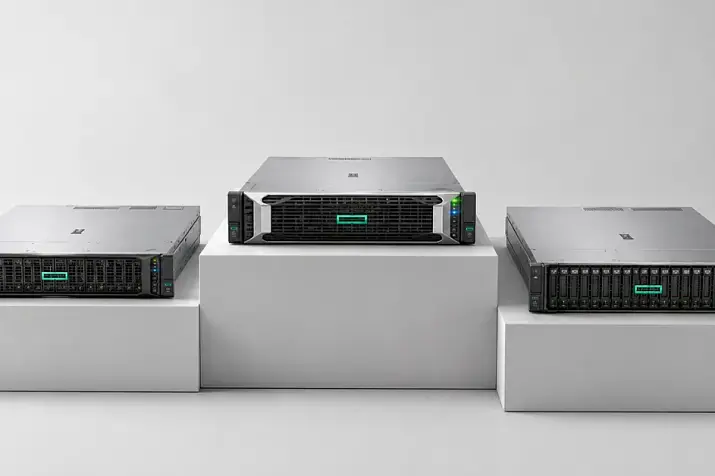
HPE ProLiant DL380 Gen12 vs. DL380 Gen11 vs. DL380 Gen10 Plus: Which Server Should You Buy in 2026?
Which HPE ProLiant DL380 should you choose in 2026: the new Gen12, the balanced Gen11 or a cost-effective refurbished Gen10 Plus? This guide compares performance, expansion, ownership costs and common enterprise use cases. 🔍
July 21, 2026
19 min to read
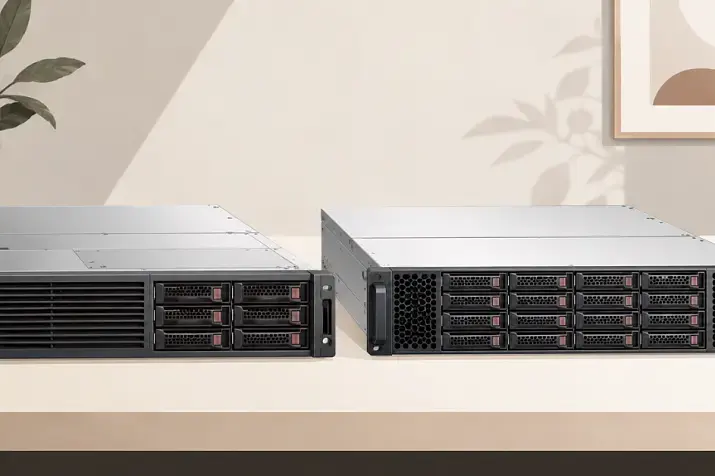
Dell PowerEdge 17G vs. 16G: Is it worth upgrading to the next generation of servers?
Should you replace a reliable PowerEdge 16G with 17G? ⚙️ This guide compares performance, density, memory, GPU support, power efficiency, and hidden migration costs for new deployments and existing clusters.
July 20, 2026
18 min to read
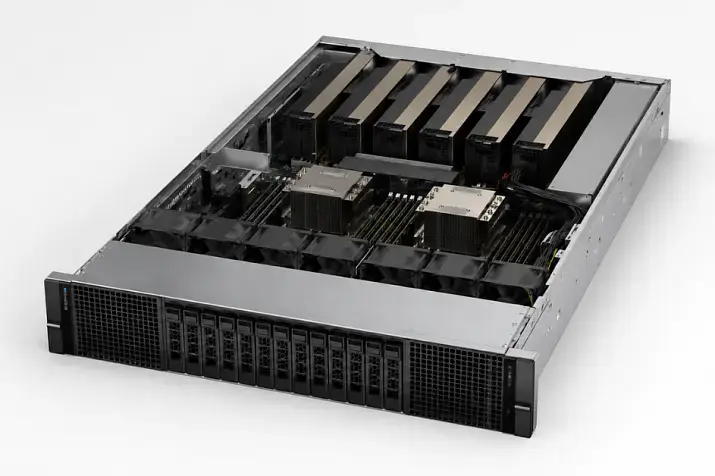
Dell PowerEdge for AI and GPU Workloads: How to Choose a Server for LLM, Inference, RAG, and Machine Learning
Which Dell PowerEdge platform is right for a real AI workload? This guide explains the requirements of LLM inference, RAG and fine-tuning, compares R-series and XE servers, and highlights the infrastructure checks that prevent expensive GPU bottlenecks.
July 17, 2026
21 min to read
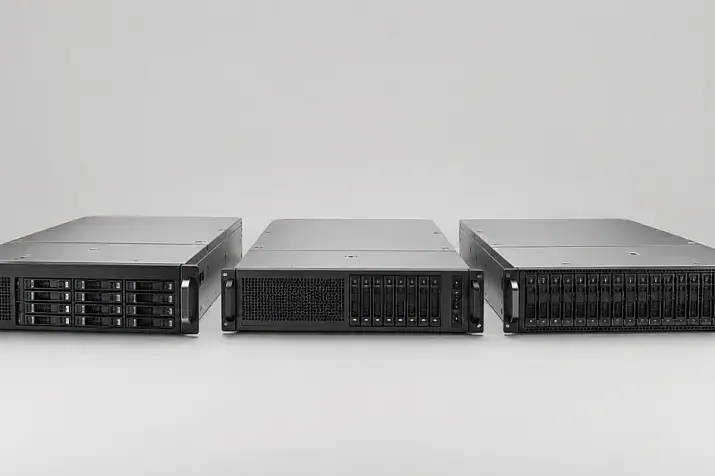
Dell PowerEdge R770 vs. R760 vs. R750: Which Generation to Choose in 2026?
Should you choose the future-ready R770, the balanced R760 or the cost-effective R750 in 2026? This guide explains the platform differences, configuration limits and best use cases for each server. 🔍
July 16, 2026
20 min to read
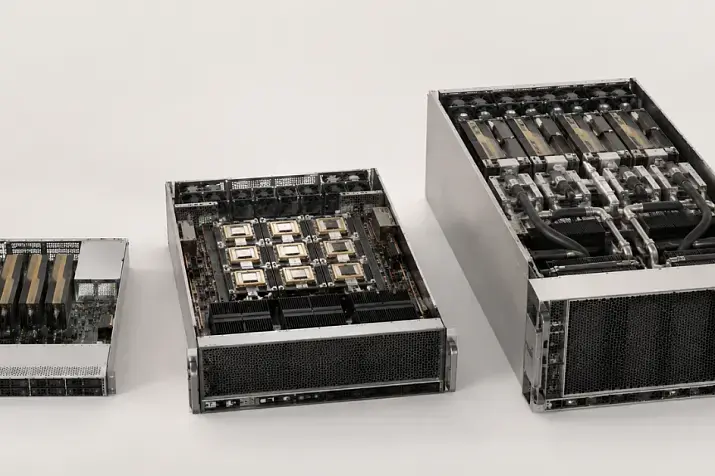
Blackwell Server for LLM: RTX PRO 6000, B200, or B300 – when you need an affordable GPU server, and when you need an enterprise AI platform
🤖 Which GPU server delivers the capacity you need without overspending? See when RTX PRO 6000 is enough, when an HGX B200 or B300 platform becomes necessary, and where H100 or H200 can still offer better value.
July 15, 2026
19 min to read
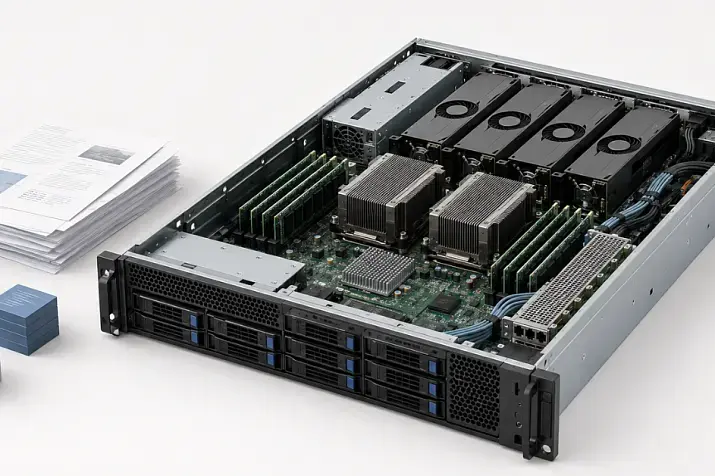
Server for RAG and AI agents: why not only GPUs but also NVMe, RAM, network, and KV cache are important
A powerful GPU alone does not make RAG fast. See how retrieval, indexing, memory, storage and networking affect response time—and when to scale from one server to multiple nodes. ⚙️
July 14, 2026
20 min to read
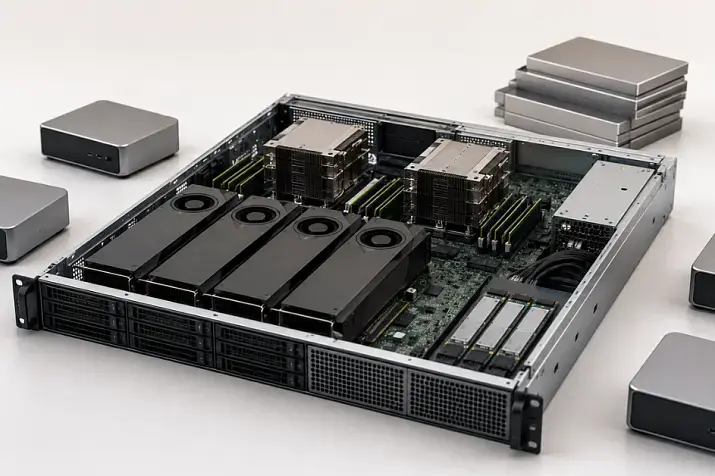
LLM Inference Server: How to Calculate Configuration for Users, Context, and Latency
🧠 A practical guide to sizing an LLM inference server—from model weights and KV cache to time to first token, active requests, multi-GPU setups and independent replicas.
July 13, 2026
21 min to read
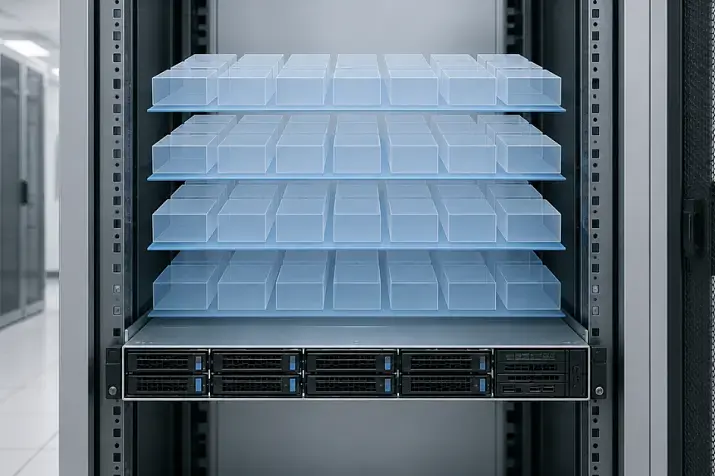
AMD EPYC Servers for Virtualization: VMware, Proxmox, Hyper-V, and a VMware Alternative After License Growth
AMD EPYC can consolidate more virtual machines onto fewer physical hosts, but the highest core count does not always deliver the best value. This guide compares VMware, Proxmox and Hyper-V and explains how to balance memory, NVMe storage, networking, resilience and migration planning.
July 10, 2026
30 min to read
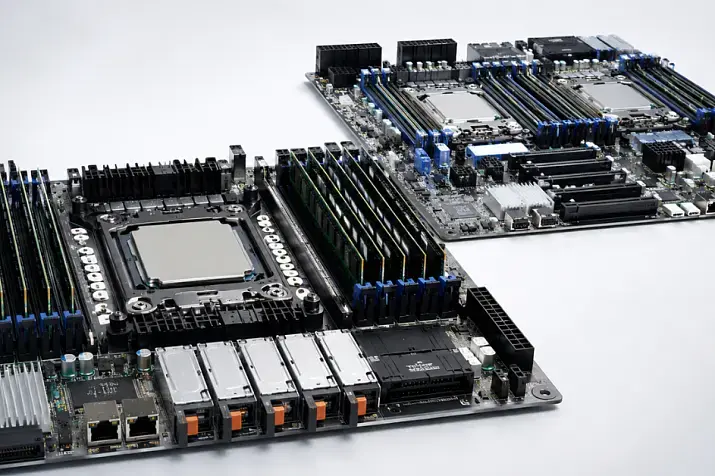
Single-Socket AMD EPYC Server: When One CPU Is Better Than Two Intel Xeons
A single socket is no longer a compromise. See when an AMD EPYC server is simpler and more cost-effective than a dual-socket Intel setup — and when Xeon still makes sense.
July 9, 2026
28 min to read